

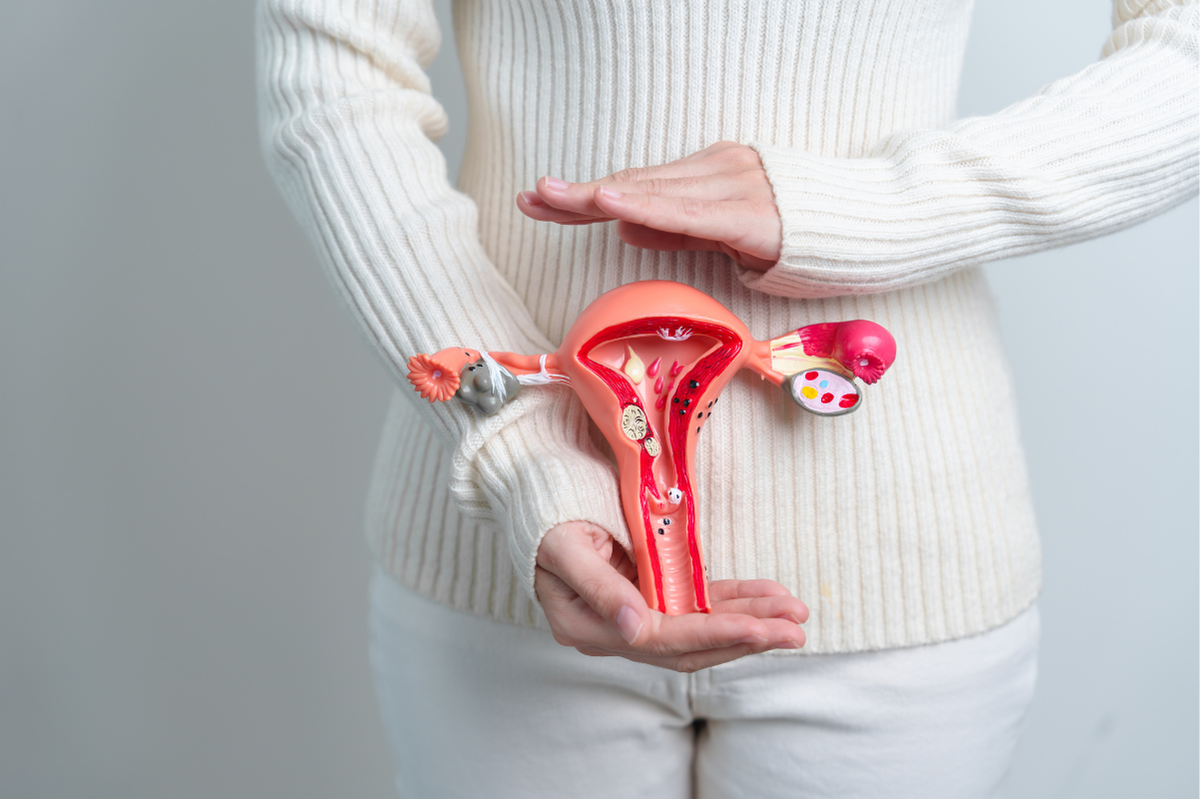
Estrogen vs Progesterone in HRT: What Every Woman Should Know
Hormone replacement therapy (HRT) is one of the most effective ways for women in Dallas and beyond to manage menopause symptoms and age-related hormone decline. But not all HRT is the same. Two of the most important hormones involved are estrogen and progesterone, and understanding their roles can help women make informed choices about treatment.
The Role of Estrogen
Estrogen is the primary hormone that declines during menopause. It plays a central role in regulating reproductive health, bone density, cardiovascular function, mood, and skin elasticity. When estrogen drops, women often experience hot flashes, night sweats, vaginal dryness, mood swings, and bone loss.
Estrogen therapy can help by:
- Reducing hot flashes and night sweats
- Improving vaginal dryness and urinary health
- Supporting bone strength and reducing fracture risk
- Enhancing skin health and elasticity
- Stabilizing mood and improving sleep
Estrogen is typically the foundation of HRT, but it’s rarely prescribed alone unless a woman has had a hysterectomy.
The Role of Progesterone
Progesterone balances the effects of estrogen and plays a vital role in protecting the uterine lining (endometrium). Without progesterone, estrogen alone can overstimulate the uterus, increasing the risk of endometrial cancer. That’s why most women who still have a uterus need both hormones in their HRT plan.
Progesterone in HRT can:
- Reduce the risk of endometrial cancer
- Support better sleep and calm anxiety
- Help balance mood changes
- Counteract some of estrogen’s stimulating effects
Natural (bioidentical) progesterone is often preferred over synthetic progestins, as it may have fewer side effects and be better tolerated.
Why Both Are Important
The combination of estrogen and progesterone provides a balanced approach to HRT. Estrogen delivers the most symptom relief, while progesterone ensures safety for women with an intact uterus. The exact dosing and delivery method—whether through pills, patches, creams, or pellets—can be personalized to each woman’s needs and health history.
Risks and Considerations
Like any medical treatment, HRT comes with risks. Some studies have linked long-term use to an increased risk of blood clots, stroke, and certain cancers. However, research also shows that starting HRT within 10 years of menopause can minimize risks and maximize benefits. Each woman’s personal and family medical history must be factored into the decision.
The Dallas Perspective
In Dallas, many wellness and hormone clinics offer personalized HRT plans, often using bioidentical hormones tailored to lab results. Local providers emphasize balancing estrogen and progesterone carefully to relieve symptoms while minimizing risks. Patients often undergo regular lab monitoring and follow-ups to ensure safety and effectiveness.
The Bottom Line
Estrogen and progesterone each play unique, essential roles in HRT. Estrogen primarily relieves symptoms, while progesterone provides protection and balance. For women in Dallas considering hormone therapy, the best approach is a customized plan under medical supervision, ensuring both relief and safety. Knowing how these two hormones work together helps women make empowered decisions about their health and long-term wellness.


