

NAD+ IV Drips vs Oral Supplements: Which Is Worth the Money?
NAD+ (Nicotinamide Adenine Dinucleotide) has become a popular tool in the wellness and anti-aging community due to its vital role in cellular energy production, DNA repair, and overall metabolic health. With the rise in popularity, two main methods of boosting NAD+ levels have emerged: IV drips and oral supplements. But which option offers the best value, effectiveness, and long-term benefits? Let’s break it down.
What Is NAD+ and Why It Matters
NAD+ is a coenzyme present in every cell of the body, playing a key role in converting nutrients into energy. It also supports critical cellular functions, such as:
-
DNA Repair: Facilitates enzymes that fix damaged DNA.
-
Mitochondrial Function: Improves energy production and cellular metabolism.
-
Anti-Aging: Helps maintain cellular health and longevity.
-
Neuroprotection: Supports brain function and cognitive performance.
As we age, NAD+ levels naturally decline, which can contribute to fatigue, slower recovery, and age-related health concerns. Supplementing NAD+ has become a strategy to counteract these effects.
NAD+ IV Drips
How They Work
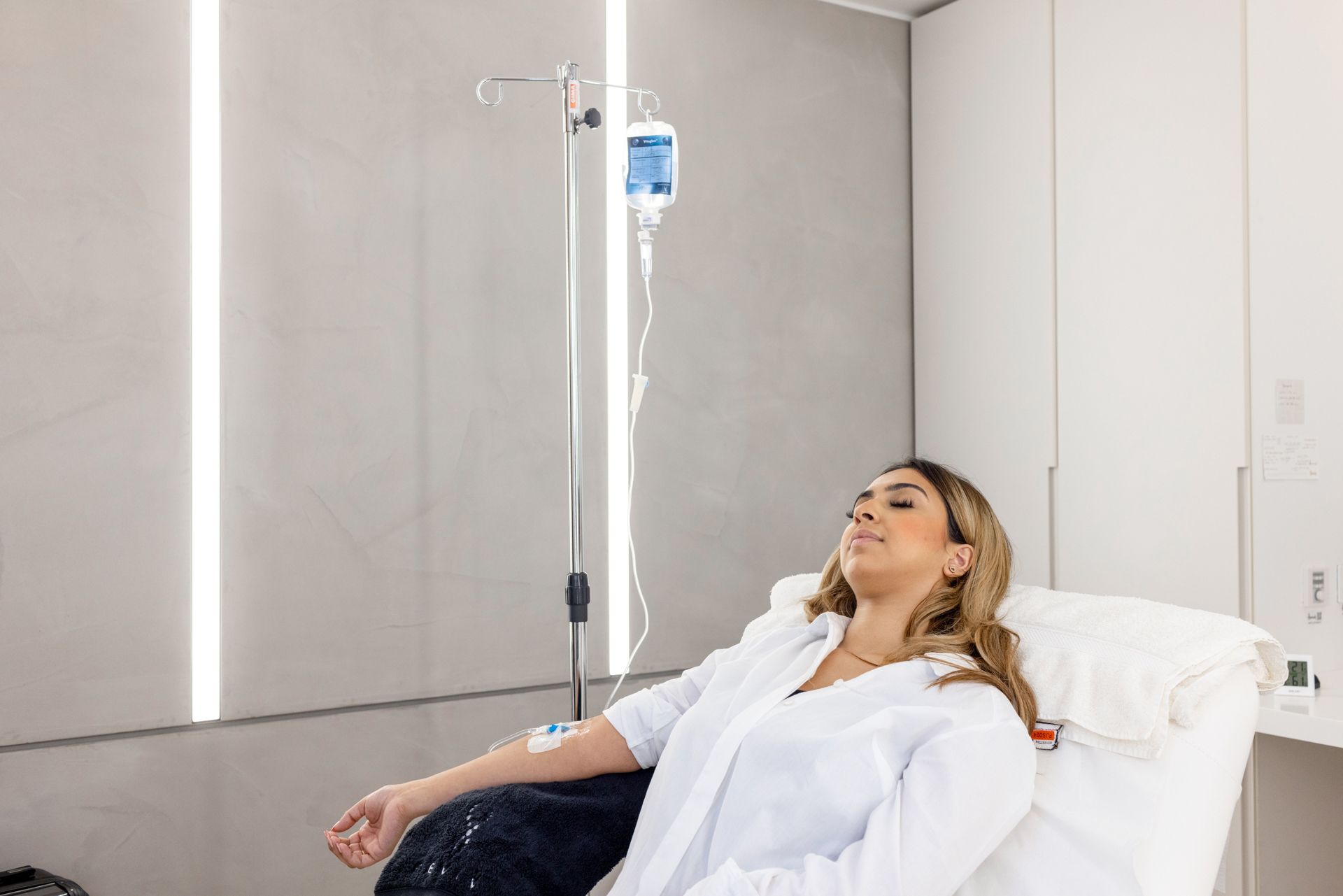
IV (intravenous) NAD+ drips deliver a concentrated dose of NAD+ directly into the bloodstream. This method bypasses the digestive system, ensuring nearly 100% bioavailability. Treatments typically last several hours and are often administered under medical supervision.
Benefits of IV NAD+
-
High Absorption: Direct delivery into the bloodstream maximizes cellular uptake.
-
Rapid Effects: Many individuals report increased energy, mental clarity, and mood improvement within hours.
-
Detox Support: IV therapy can aid in recovery from oxidative stress, hangovers, and certain chronic conditions.
-
Professional Supervision: Medical oversight ensures safe administration, especially for higher doses.
Considerations
-
Cost: IV NAD+ therapy is more expensive than oral supplements, often ranging from hundreds to over a thousand dollars per session.
-
Time Commitment: Sessions can last 2–4 hours, requiring scheduling and travel.
-
Medical Access: Requires a licensed provider and may not be available everywhere.
NAD+ Oral Supplements
How They Work
Oral NAD+ supplements, such as nicotinamide riboside (NR) or nicotinamide mononucleotide (NMN), are designed to increase NAD+ levels by providing precursors that the body converts into NAD+. They come in capsules, powders, or sublingual forms.
Benefits of Oral NAD+
-
Convenience: Easily incorporated into daily routines without medical supervision.
-
Lower Cost: More affordable than IV therapy, with monthly expenses typically in the range of $50–$150.
-
Long-Term Use: Ideal for ongoing maintenance of NAD+ levels.
-
Scientific Backing: Studies show NR and NMN can effectively raise NAD+ levels and support metabolic health.
Considerations
-
Bioavailability: Oral supplements are less potent than IV drips because the digestive system breaks down some of the compounds.
-
Slower Results: Benefits may take days to weeks to become noticeable.
-
Quality Variation: Effectiveness depends on the supplement brand and formulation.
Which Is Worth the Money?
The choice between IV NAD+ drips and oral supplements depends on your goals, budget, and lifestyle:
-
IV NAD+ Drips: Best for immediate effects, rapid energy boosts, or individuals with significant fatigue or recovery needs. Ideal for those willing to invest in high-dose, professional therapy.
-
Oral Supplements: Best for long-term maintenance, general anti-aging support, and gradual improvement in energy and cellular health. More cost-effective and convenient for everyday use.
Some individuals combine both approaches, starting with IV therapy for a rapid boost and transitioning to oral supplements for ongoing maintenance.
Conclusion
Both NAD+ IV drips and oral supplements offer valuable benefits, but their effectiveness and cost differ. IV therapy delivers fast, potent results under professional supervision, while oral supplements provide a convenient, sustainable way to maintain NAD+ levels over time. Evaluating your health goals, budget, and lifestyle can help determine which option is the best investment for you. Consulting a healthcare provider can also guide personalized dosing and maximize benefits.


